

After many years and deliberations on the idea of restructuring Nigeria without real action. Abia state is showing the rest of the country how to do it without much hassle.
Abia state has been in the news quite frequently these days. The Dr Alex Otti administration is fast becoming a benchmark on what an efficient government looks like, tearing down the previous myth that four years of governance is not enough to make maximum impact.
Last Week, the state unveiled its latest Foreign Direct Investment case. A million-dollar beverage manufacturing company run by Ultimum Limited. The Government supported the venture by improving the road to their facility to facilitate logistics.
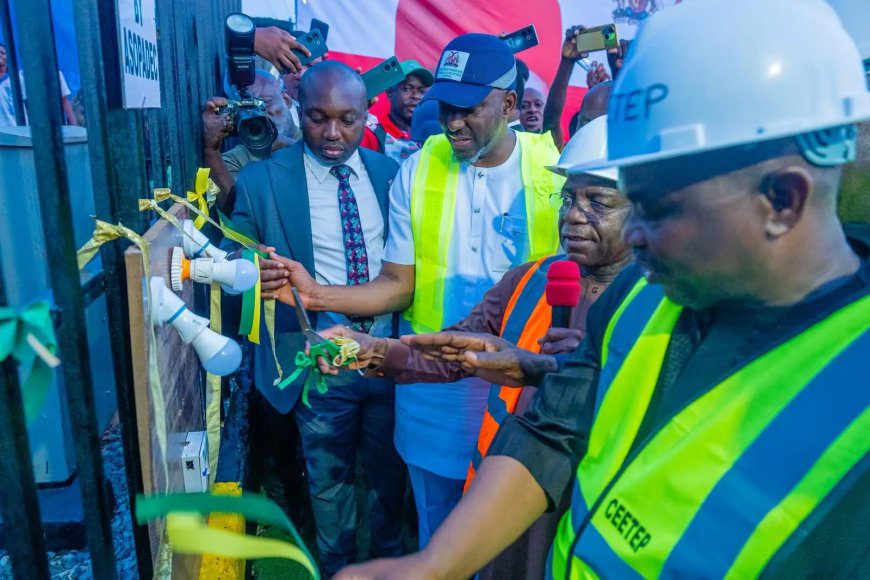
A few days after this milestone, the Abia state government dropped another bombshell. The state’s governor announced to the rest of the country that the state is very close to exiting the National Grid, following its efforts to own its entire electricity infrastructure.
“We also have another solution that is coming, and that is an independent power of about 15 megawatts, which will be powered by gas turbines.
“We just signed off on that. It will take a little time, but by the time it’s done, Abia State University may decide to disconnect from the national grid.
“Of course, the rest of the state will also be detaching from the national grid by the time we are done with the solutions we are trying to provide from Geometric, Aba,” Otti said during a recent Media Chat.
In simple terms, the Abia State Government is on the verge of acquiring and setting up a 125-megawatt gas turbine to complement the existing electricity infrastructure at Geometric Power.
If it achieves this, Abia state’s independent Electricity structure will be enough for it to exit the national grid acheiving total control of its power generation.
Abia State Reignites the Quest for a Decentralised Nigeria
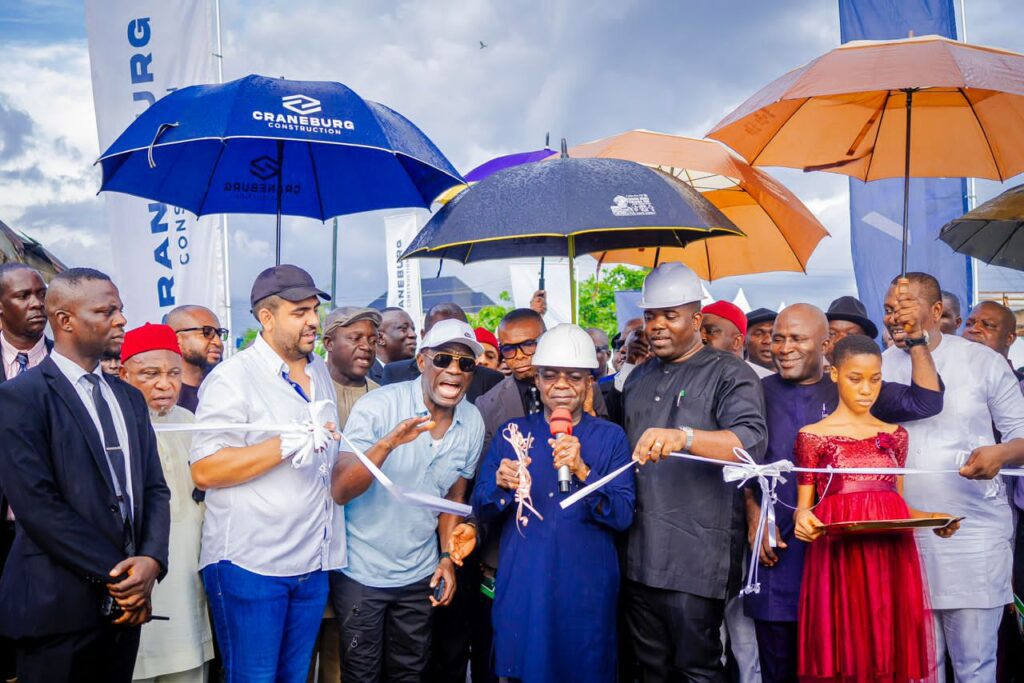
The promise that Abia State will pull out of the problematic National Grid has rekindled questions about the viability of Nigeria’s existing structure. The argument remains that Nigeria is too large to function optimally and that the key lies in granting states autonomy to manage their affairs.
Nigeria already tried this system, in which regions had full control over their affairs while Lagos played a regulatory role. The argument this time is that states have full autonomy. Abia state is actively a case study showing that that line of thought could work.
Accra-based Serial Investor and Entrepreneur Victor Asemota commented on the development, saying that it represents the best kind of restructuring
Others argued that regional government stands a better chance of delivering progress in Nigeria. This thesis follows several decades of Abuja-centric leadership, which has woefully underperformed in all ramifications.
Abia State is not the only state in Nigeria moving in this direction. Lagos state has been on this trajectory for a long while, milking its status as Nigeria’s economic nerve centre.
Success stories like Abia state and Lagos state are needed to make a stronger case for a decentralised Nigeria. A single real-life example is worth more than a million projections and strategic debates.
Abia State’s New Power Structure Pulling its Weight
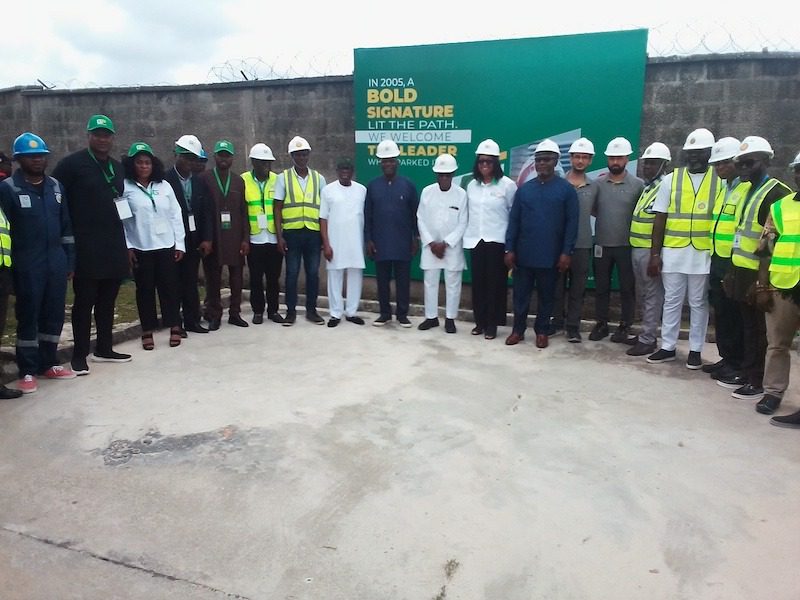
The Alex Otti administration is looking to acquire a General Electric-built 125 megawatt gas turbine in the Netherlands. The plan is to boost Geometric Power’s capacity to 266 Megawatts. This is enough to power the whole of Umuahia and still have a surplus for sale.
At the moment, Geometric Power serves nine local governments, providing a near-round-the-clock power supply. This area is known as the Aba Ring Fence. These 9 Local Government Areas are officially detached from the national grid: They include
- Aba South & Aba North: The primary commercial hubs.
- Osisioma Ngwa: Location of the 141MW thermal plant.
- Obingwa
- Ugwunagbo
- Isiala Ngwa South & Isiala Ngwa North
- Ukwa West & Ukwa East: Including the new 42km dedicated industrial line along the Port Harcourt Expressway
If the Abia government succeeds in acquiring the 125-megawatt gas turbine. Geometric’s power will be able to pull the state off the grid, marking a major milestone in Nigeria’s electricity sector.
Abia State is already known as a manufacturing hub in Nigeria, famous for its leatherwork, textiles, and locally sourced products. Throwing in a constant power supply into that mix is a powerful catalyst capable of creating a Shenzhen situation in the region
Geometric Power Funding
A multi-billion-naira combination of private equity, international development finance, and local commercial loans funded the Geometric power project.
Notable names behind its funding include Afreximbank, which provided a $50 million term loan in 2021 and advised on an additional $332 million recapitalisation. The Abia State Government owns 5% of the equity after providing $5 million in funding for the project.
Abia’s new quest to own the entire structure of its electricity generation and distribution opens a new chapter in Nigerian conversation.
If they pull this off, other states would like to follow. This will mark a significant shift in the ongoing conversation about Nigeria’s structure and how to optimise it for maximum impact and progress.
