

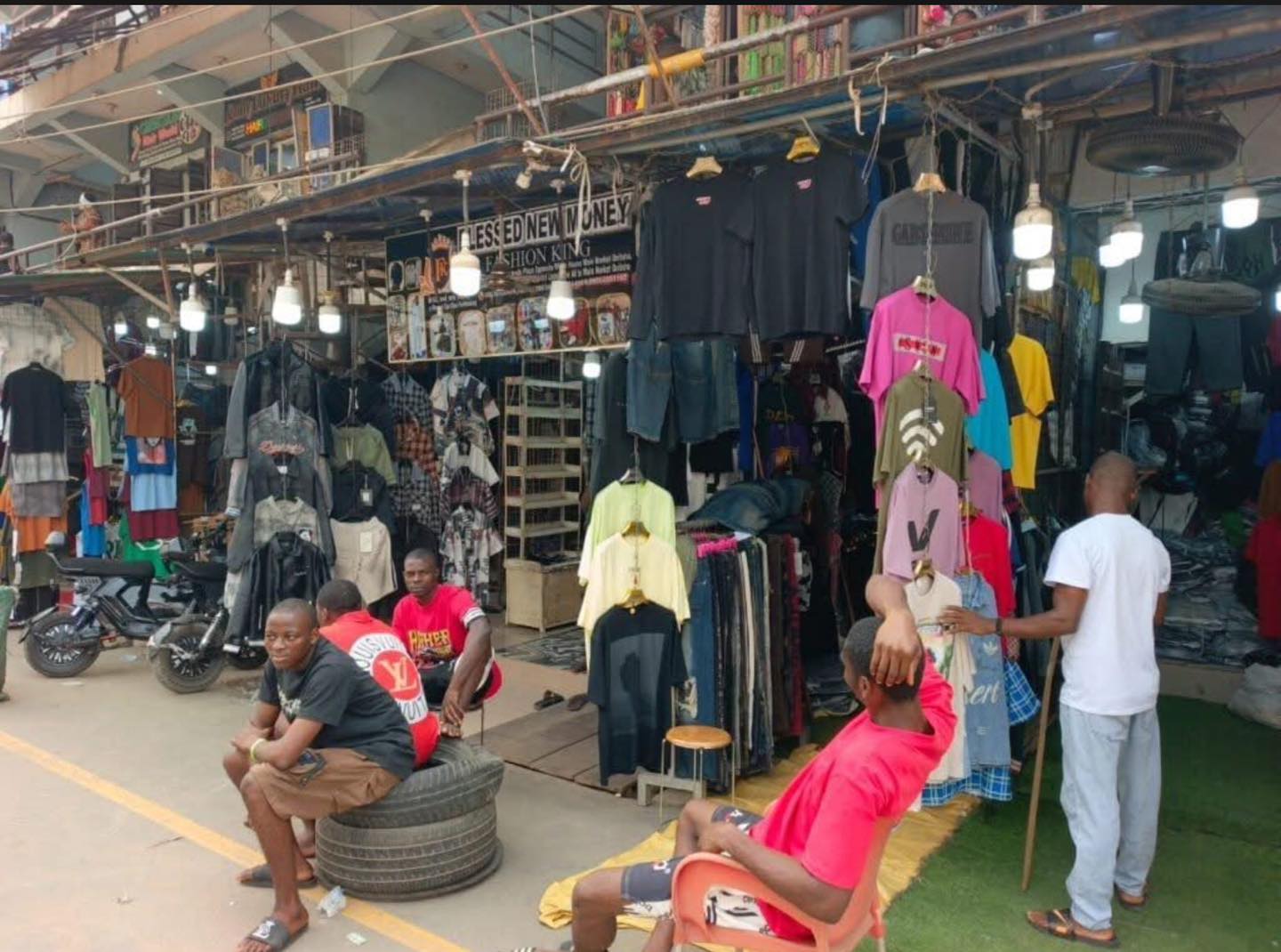
The South East is redesigning the Igbo Apprenticeship System and has signed an agreement with a German Ausbildung programme, one of the world’s most respected vocational training systems.
How the Programme Will Work
Twenty young people aged 16 to 25 will be selected from across the five South-Eastern states for specialised training in trades including carpentry, plumbing, welding and masonry.
Participants will first complete nine months of intensive German language training in Enugu, then secure Ausbildung placements and relocate to Germany. After finishing, they will return to Nigeria to train others, and the programme will expand progressively as they pass on their knowledge to local communities.
Why It Matters
The Igbo apprenticeship tradition is well established. It is a centuries-old practice that passes skills, knowledge and values from one generation to the next. Its weaknesses are also well documented.
Researchers describe it as informal and unstructured, and have examined declining interest in apprenticeship among Igbo youths. Poor access to finance and limited formal education remain major challenges.
The German system addresses some of those gaps. Its dual model offers standardised curricula, formal certification and industry-aligned governance, built on collaboration between training institutions and employers. Scholars have proposed combining it with the Yoruba and Igbo systems.
A Long-Term Investment
Organisers say the focus is precision, technical excellence and world-class craftsmanship. The goal is a generation of highly skilled professionals who can build infrastructure, transform industries, create jobs and contribute to society.
These graduates, they say, will build the region’s future, and the programme is a deliberate effort to develop the human capital needed to transform the South East.
