

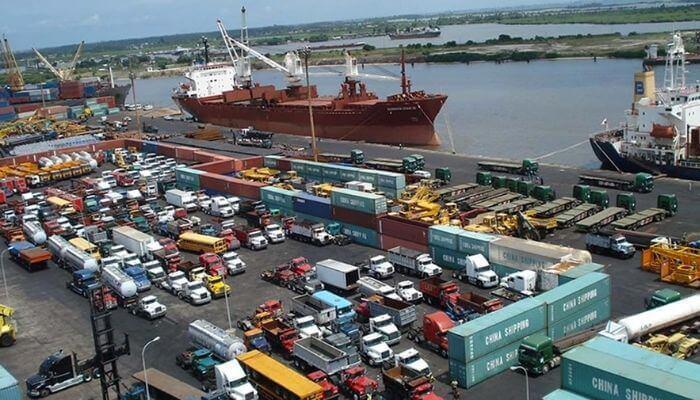
The Presidential candidate of the Labour Party, Peter Obi, lamented the concentration of federal funds in ports located in Lagos only neglecting seaports in other parts of the country.
Peter Obi stated this, reacting to the recent development of the Federal government investing $1 billion in the Tincan and Apapa ports for the modernisation of the two ports located in lagos state.
Obi argued that while such capital investments are good for the nation’s economy, the Nigerian state cannot continue to neglect seaports in Warri, Port Harcourt, Calabar, and Onne in favour of Lagos seaports alone.
” Nigeria’s infrastructure investment remains excessively concentrated in Lagos, often at the expense of other strategic ports such as Warri, Port Harcourt, Calabar, and Onne. If fully developed, these ports could enhance productivity, drive trade, create jobs, and open new economic corridors that would lift millions out of poverty across the federation.” Obi stated
The former Anambra Governor explained that countries all over the world employ a decentralized strategy in their siting and allocation of seaports, distributing economic development evenly throughout their countries.
” Vietnam operates over 300 ports from Haiphong in the north to Da Nang in the centre and Ho Chi Minh City in the south, ensuring nationwide connectivity. Indonesia boasts about 111 commercial ports distributed across its territory to guarantee balanced access to trade. South Africa maintains eight major seaports from Durban and Richards Bay on the Indian Ocean to Cape Town and Saldanha Bay on the Atlantic, reflecting a vision of maritime inclusion.” Obi explained, backing up his claims with examples.
Obi concluded that no serious nation looking to maximise its blue economy concentrates its maritime activities in one city.
However, Obi sees the modernisation ploy for Lagos ports as a potential blueprint for the same to be replicated in other ports in the country.
Infoeast View
- Peter Obi’s submission adds credence to an ongoing national debate on the diversification of Nigerian maritime activities from Lagos state to other coastal cities in Nigeria.
- Many Southeasterners draw a straight line from the Nigerian civil war, which ended in 1970, to the decision to abandon and neglect seaports in the old eastern region.
