

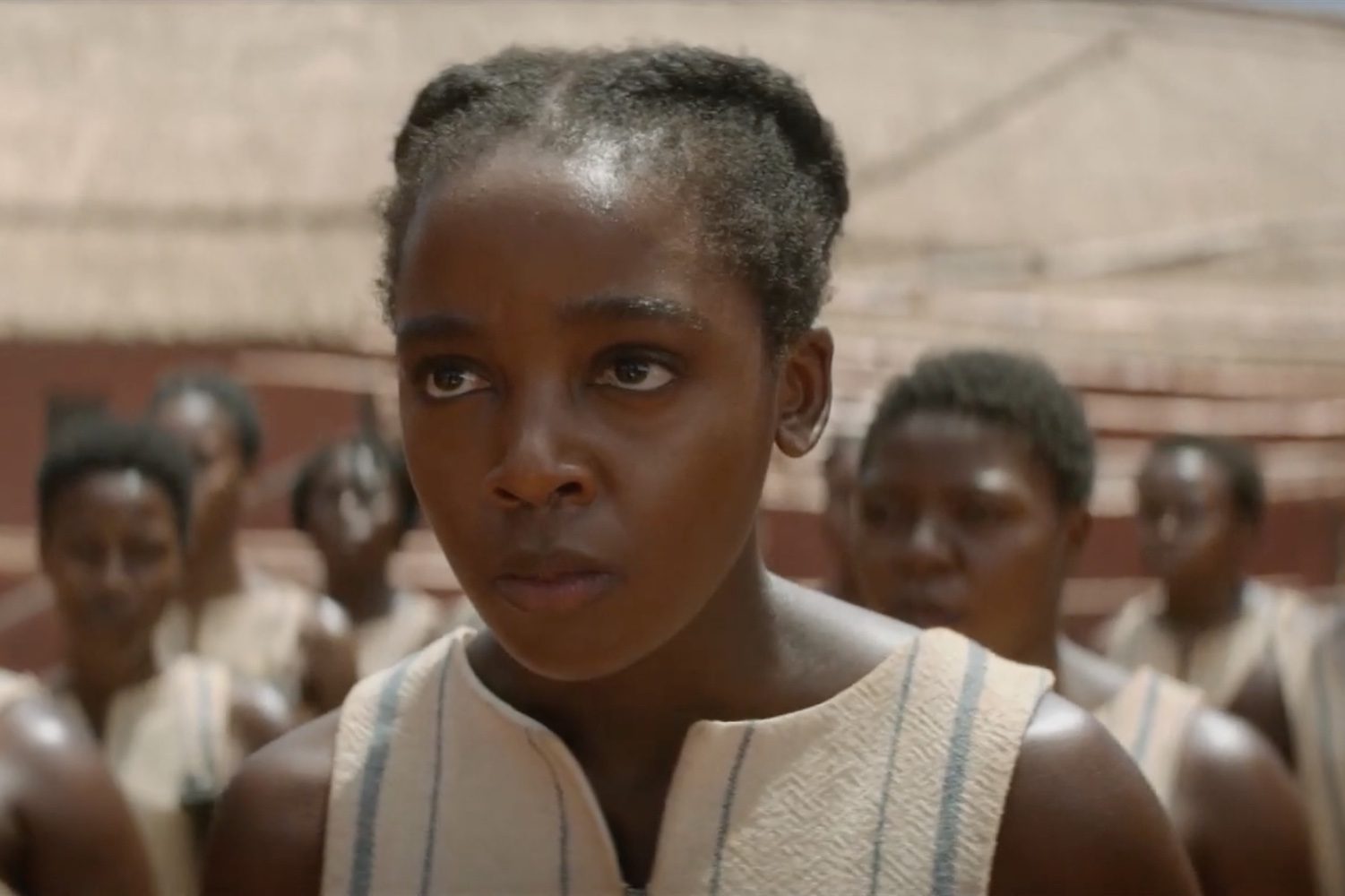
Filmmaker and Founder of BN Media Films, Benneth Nwankwo, has lamented the filming of a predominantly Nigerian story, Children of Blood and Bone, in faraway South Africa and Spain.
The Children of Blood and Bone, a story by Tomi Adeyemi, is being adapted into a movie by A-list celebrities. The decision to shoot the movie in South Africa and Spain, despite the story’s content and origin being heavily inspired by Southwest Nigerian culture, did not go down well with Nigerian creatives.
” Some things are becoming very clear now, and I have to admit, I am beginning to agree a little with Tomi Adeyemi, the author who came out earlier to say she is not part of the film adaptation of her own book,” Nwankwo said.
” The film was shot over 74 days, largely in Cape Town and KwaZulu-Natal, with additional filming across Spain.
“My real issue is that a story rooted entirely in Yoruba culture and pre-colonial Nigeria was shot everywhere except Nigeria. Nigeria has no shortage of locations that could have carried this work convincingly.”
Nwankwo argued that South West Nigeria could have comfortably provided the goods in filming the movie with an extra layer of originality, as the story suits the environment.
“Ile-Ife alone, considered the cradle of Yoruba civilisation and settled since around 500 BCE, has over 300 identified historical sites within the town.”
“Osogbo sits beside the Osun Sacred Grove, a UNESCO World Heritage Site, a dense forest lined with centuries-old shrines and sculptures dedicated to the Yoruba goddess Osun. Abeokuta has Olumo Rock, a hillside cultural landmark rising 137 metres, layered with history from the Egba Dahomey wars of the 1800s,” he said
“Any of these towns could have given Orïsha the same mystical, ancient texture the production went searching for elsewhere. But it does not make it easier to accept, watching a fictional kingdom rooted entirely in our language and mythology come to life anywhere but here.” Nwankwo added.
Nwankwo Laments the Financial aspect of the equation
Aside from the cultural argument, there is a financial aspect to the argument. Nwankwo argued that the decision to shoot a Nigerian story outside the shores of the country cost Nigeria and Nigerians real dollars.
“None of the location fees, the crew wages, the set construction, or the months of local economic activity that a 74-day shoot generates went into Nigeria. That money, and the experience, went to South Africa and Spain instead, ” He said.
Despite the development, Nigerians played a role in the movie. Music artist Tems acted as the executive music producer and Burna Boy as the executive music consultant.
