

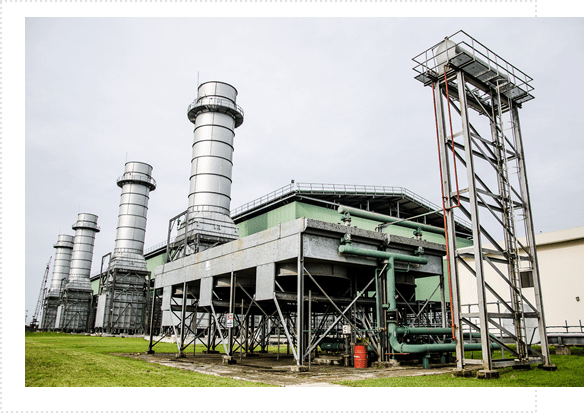
Construction work is progressing on the 330kV double-circuit transmission line linking Alaoji in Abia State to Egbu in Imo State, with foundation activities continuing along the project route.
The project team announced that pile foundation works are moving forward steadily, marking another stage in the development of the power transmission infrastructure designed to strengthen electricity supply in the South-East region.
Current activities focus on constructing tower bases for the new Alaoji-Egbu 330kV double-circuit transmission line. The foundation works are expected to provide the structural support required for installing transmission towers along the corridor.
The transmission line will connect power facilities in Alaoji, Abia State, to Egbu in Imo State, improving the capacity and reliability of electricity transmission between the two locations.
Officials overseeing the project said work is continuing as planned. The construction teams are carrying out foundation and related civil engineering activities at various sections of the route.
The Alaoji-Egbu transmission line forms part of efforts to expand and upgrade Nigeria’s power transmission network. This is to meet growing electricity demand and improve power delivery to homes, businesses, and industries across the region.
The power project aligns with the electricity reforms happening in the Uzodimma administration. The administration aims to boost power generation and distribution in the state. It hopes to achieve this by backing state-owned projects such as the Orashi Electricity Company and the Alaoji-Egbu Transmission line.
State-backed projects like the Orashi project will compete with the Enugu Electricity Distribution Company (EEDC). Both companies will vie for customers as the EEDC struggles to meet demand. Imo state follows in the footsteps of Abia state, which is already on a journey to go off-grid.
Abia State has nine local governments with constant electricity courtesy of the Geometric Power Plant in Aba. State-backed electricity projects are the new norm following Nigeria’s general failure to generate enough power.
In the southeast region, Abia State and Imo State are leading the way on power sufficiency. The geometric power plant and the Orashi electricity company are both state-owned projects. They are proving that states do not need to depend on the federal government to power itself.
