
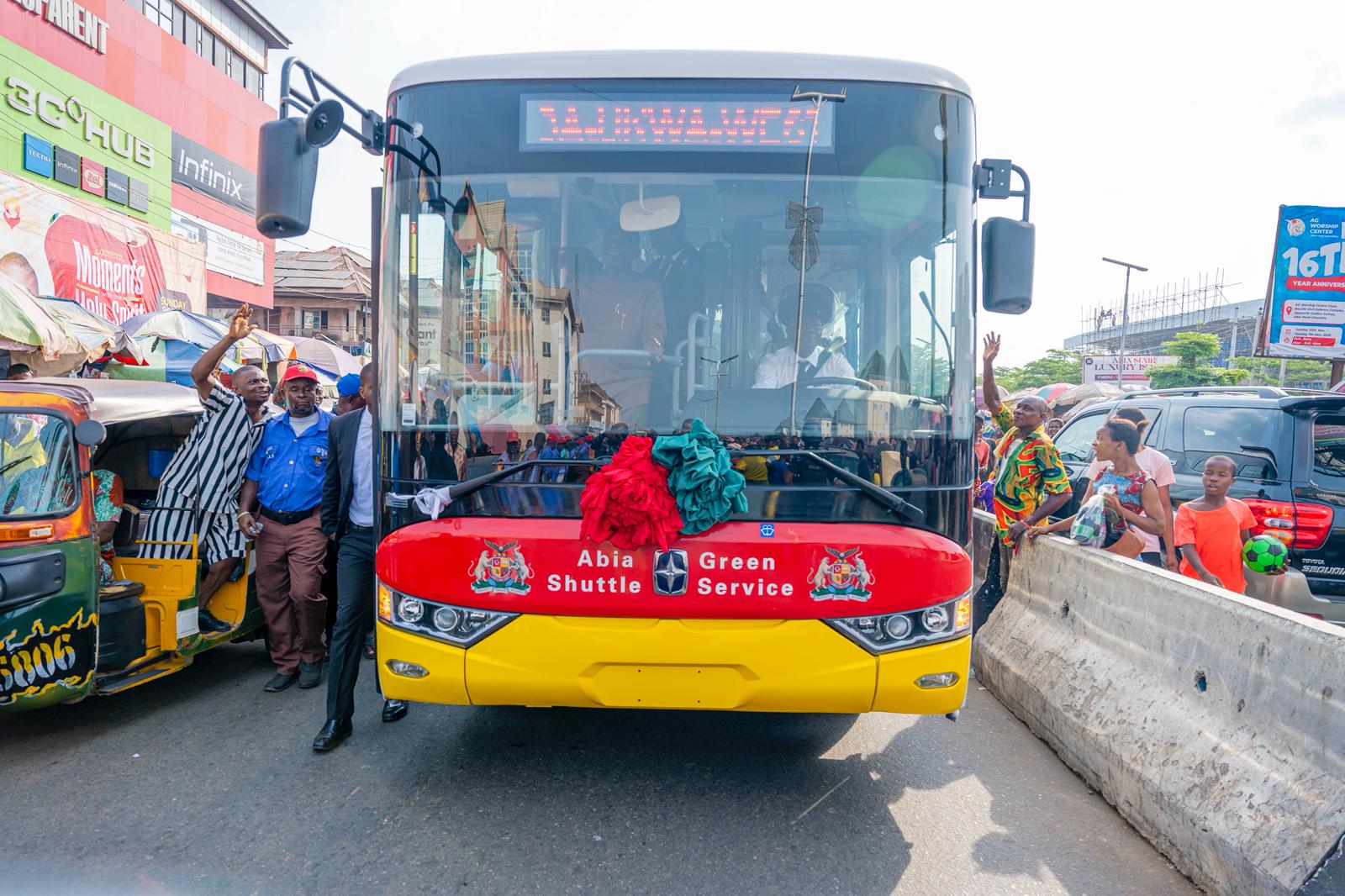
Abia State’s mass transit bus scheme is off to a difficult start as passengers complain of irregular schedules and delayed buses.
A viral video shared by social commentator Uche Okoye showed discontent among prospective bus passengers, who said they had been waiting for hours. The video sparked criticism of the new bus system in Abia State, as citizens expect more efficient service from the Abia State government.
” Please, the electric buses started just during the holidays. The charging stations were just commissioned for about 50 buses or fewer in the past few weeks, and no one thought the fuel price hike would happen and skyrocket the demand for electric buses. This is to be expected.” An X user said, analysing the situation.
Others pointed out the aggrieved crowd’s calmness and how the video creator was allowed to engage in citizen journalism. In other parts of Nigeria, like Lagos, this is hardly the case without any hassle from thugs. The buses used for the Abia Mass Transit Scheme are electric. The buses could face high demand following the current hike in fuel prices in the country.
Abia Bus Scheme as a Conduit for hastened Urbanisation
The state’s mass transit scheme, still in its early days, runs on a card system. The Card system powers tickets and passenger payments. The scheme is part of Governor Alex Otti’s urbanisation agenda for the cities of Aba and Umuahia in the state.
The BRT Buses used for the Abia transport scheme were mass-produced by the Coscharis group led by Dr Cosmas Maduka. During the launch ceremony, the billionaire automobile dealer compared Abia’s new transit system to the London Metro. He highlighted its importance to tourism and the country’s overall development.
Abia state remains the only state with an active mass transit system powered by Electric buses. The development mirrors the growing shift from petrol-powered engines to alternative energy sources in Nigeria.
The Abia State Mass Transit Scheme is focused on the two cities of Aba and Umuahia for the moment. The two cities are the commercial and Administrative Capital of the Southeastern state, respectively.
