

A New York Times (NYT) report alleged that the United States decided to intervene in Nigeria’s religious crisis after accessing a report from an Onitsha-based Non-Governmental Organisation, Intersociety.
The NYT report revealed that the advocacy and digital footprints on the alleged Christian Genocide in Nigeria from top US lawmakers were informed by reports from Intersociety, led by Emeka Umeagbalasi.
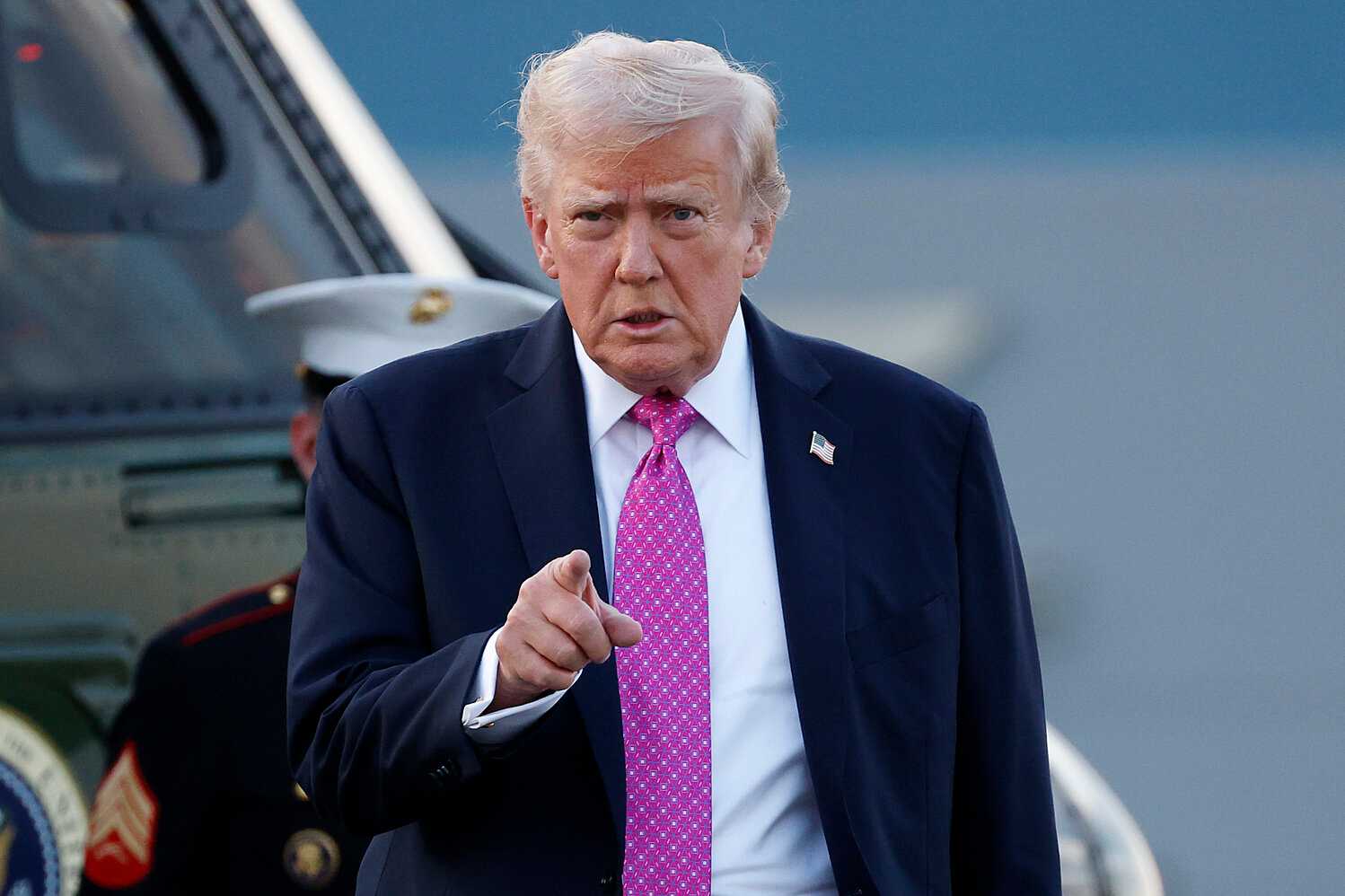
Top United States representatives like Senator Ted Cruz, Rep Riley Moore, and Rep French Hill actively publicised and pushed the Christian Genocide narrative in Nigeria last year, which peaked with a US air strike on terrorists in Sokoto.
In an earlier report, the inter-society organisation alleged that there is an ongoing Christian genocide in Nigeria, and its data dates back to 2009 to date.
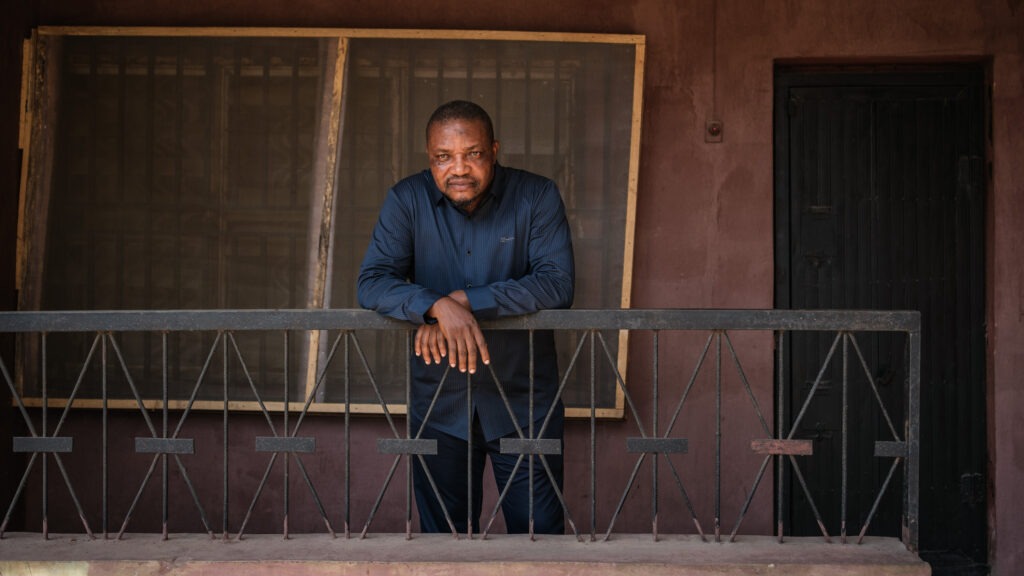
Umeagbalasi, speaking to the NYT, revealed that he pieced together his evidence from news reports on Google and other secondary sources, and that he does not verify all his findings. The screwdriver salesman runs the Intersociety NGO from his home alongside his wife.
Nigeria’s Traditional Media Reacts
The NYT report sparked controversy in Nigeria, with key journalists there casting doubt on its authenticity. The popular narrative remains that the article is likely a product of Nigeria’s renewed lobbying efforts to counter the Christian genocide narrative at the global level.
Speaking on the morning show, Arise News analyst Rufai Oseni stated that the narrative that the US was solely influenced by the reports of intersociety is an outright falsehood and belittles the United States intelligence agencies.
He reiterated that the Intersociety report was not the only report on the alleged Christian Genocide, as many influential voices also wrote similar reports and made their voices heard. Moreover, the United States is not known to gather intelligence from a single source, so the accuracy of the NYT reports is highly questionable.
Reuben Abati, an Arise TV anchor, drew the public’s attention to the divisive nature of the story and its potential to destabilize tribal relations in the country.
From a broader perspective, Netizens on Nigeria’s social media space alleged that the NYT piece is likely a product of the $4.5 million Public relations project commissioned by Nigeria to foreign agents to sell its own side of the story.
New York Times West African Bureau Chief, Ruth Mcclean reported the story following a visit to Onitsha for the story.
