

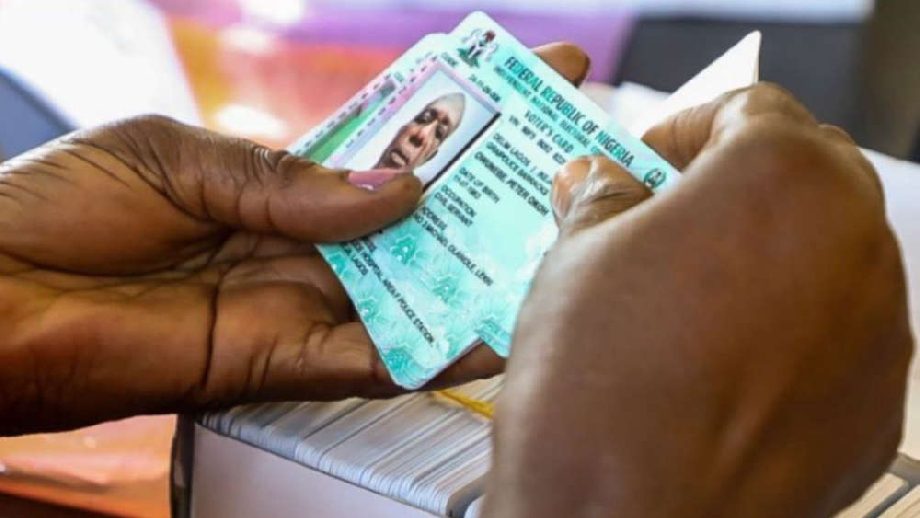
A Cable Index report revealed that the Southeast region had the lowest completed voter registration in the country as of Q1 2026.
The data sourced from INEC mirrors long-standing concerns about voter apathy in the region, as well as predatory practices by agents tasked with disbursing Permanent Voters Cards in the region.
The southeast region recorded 75,460 (6.1%) completed voter registrations by February 2026, the lowest in the country. The poll stands at North-west: 444,594 (36.2%), South-west: 204,798 (16.7%), North-central: 175,838 (14.3%), North-east: 173,044 (14.1%), South-south: 154,914 (12.6%), and then the South-east: 75,460 (6.1%).
The data confirms long-standing voter apathy issues in the region stemming from feelings of marginalisation and indifference linked to the long absence of the South-east from the pinnacle of power in Nigeria.
Other contributing factors include secessionist sentiments aggravated by pressure groups like the Indigenous People of Biafra (IPOB). Various bodies have taken active steps in sensitising the Southeast public on the need to exercise their civil rights by voting.
This week, beneficiaries of the Abia Techrise Cohort embarked on an awareness walk in Abia State, creating traction for voter registration in the state.
24 Million Presidential Votes in 2023
The total number of completed voter registrations in the state stands at 1.23m as of Q1 2026. This is a pretty low number for a country that polls nearly 20 million votes. However, it is worth noting that this might reflect new entries, as existing registered voters don’t need to undergo any form of fresh registration.
In 2023, the three main presidential candidates: Bola Ahmed Tinubu of the APC, Alhaji Atiku Abubakar of the PDP, and Mr Peter Obi of the Labour Party polled a total of 21,880,779 votes.
The total votes cast across all candidates stand at 24,965,218, with the top three accounting for roughly 87.6% of all votes cast.
For a country of over 200 million people, 24 million votes represent a mere 12% of possible votes. This reveals that voting in Nigeria is still largely a fringe sport, with a large majority of the country not taking part in the process.
