

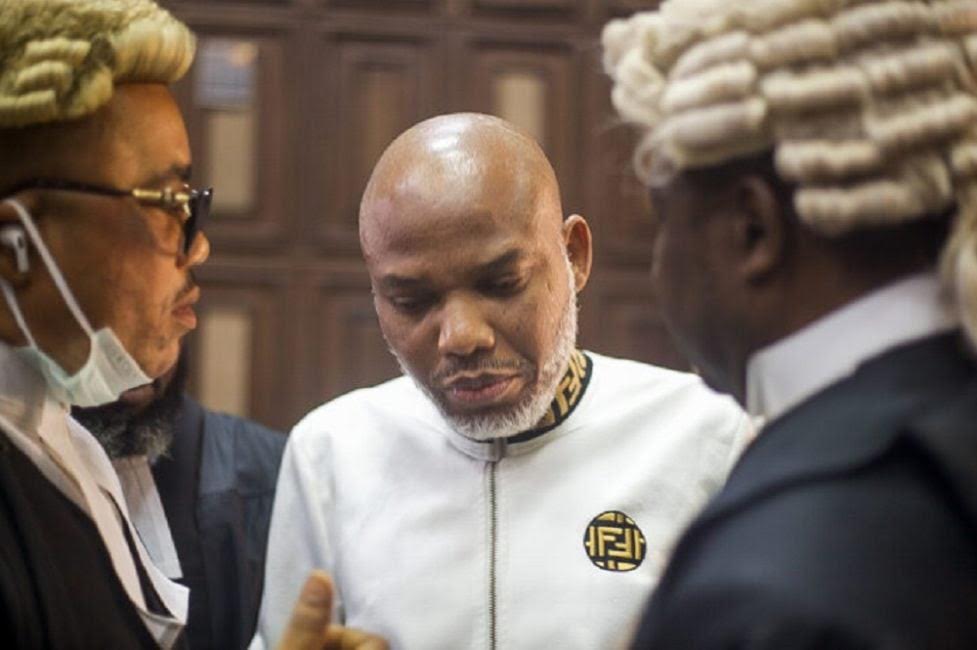
Nnamdi Kanu, the leader of the secessionist pro-Biafra group, the Indigenous People of Biafra (IPOB), has been detained by Nigerian forces for four years, three months, and twenty-four days.
His prolonged detention follows his kidnapping and extradition to Nigeria from Kenya on June 19th, 2021. After many years of an excruciating back-and-forth between the detained IPOB leader and the Nigerian judicial system, the Abia state-born activist is finally getting some sympathy and public attention.
The presidential candidate of the People’s Democratic Party, Alhaji Atiku Abubakar, last week used his platform to call for the immediate release of Nnamdi Kanu and an end to the prolonged detention of the IPOB leader.
Atiku’s advocacy aligns with that of the Presidential candidate of the African Action Congress (AAC), Yele Sowore, who leads the call for Nnamdi Kanu’s release. The renewed traction for Kanu’s release has polarised opinions and thrown him into the national debate space yet again.
While some Nigerians see him as a victim of judicial injustice, others see him as a troublemaker who is getting what he deserves.
In light of the ongoing debate, INFOEAST decided to throw more light by highlighting nine things Nnamdi Kanu said during his years of activism that are still true today.
1. Christian Minorities are getting killed in the North
In a broadcast in February 08, 2021, Nnamdi Kanu reiterated that Christian minorities are getting targeted and killed by what he called Janjaweed elements of the caliphate. He blasted Bishop Kukah for preaching Nigerian unity in the light of these killings.
In 2025, four years later, the global community, led by high-ranking American politicians, is drawing global attention to the plight of Christians in the north. Fox News reports that 50,000 Christians have been killed since 2009, with 5 million displaced, drawing credibility to Nnamdi Kanu’s statement four years ago.
2. Nigeria has expired, technically
Nnamdi Kanu, in the same broadcast, also said that Nigeria has expired. This statement has caused a lot of heat despite being factually correct. A British colonial edict issued by Lord Frederick Lugard on January 1, 1914, merged the northern and southern protectorates into one entity known as Nigeria in a 100-year treaty.
The treaty officially expired on December 31st, 2014, eleven years ago.
3. There are native Igbos in Benue State
In one of his last broadcasts, Nnamdi Kanu called out the then-governor of Benue state, Samuel Ortom, over the perceived marginalisation of native Igbos in Benue state. Kanu stressed that these are historical and native Igbos in Benue State, not traders or migrants.
As he said, Igbos do exist in the Obi, Ado, and Oju local governments at the Benue boundary of Enugu and Ebonyi states.
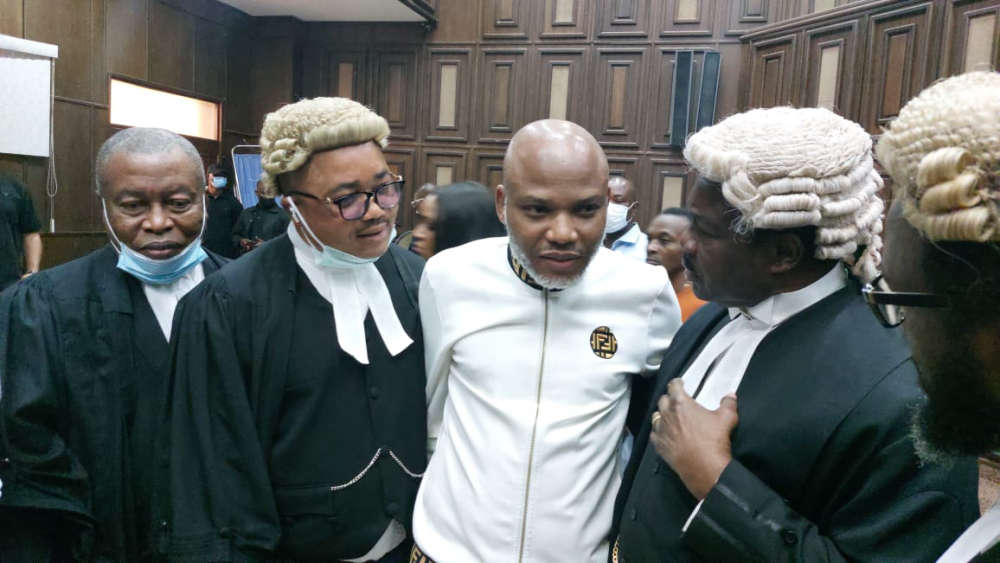
4. The Question of Strength in Diversity
Nnamdi Kanu openly discredited the idea that diversity in countries is a strength. He argued that no country exists based on the idea of multiculturalism in the world.
While this is up for debate, it is difficult to ignore the role of diversity in the destabilization and stagnation of most african countries. Kanu argued that a country could be home to a multi-racial demographic, but the founding principles of most countries are usually not heterogeneous in any way, for example, Western Europeans finding the United States of America on Judeo-Christian values and the Grego Roman idea of a republic.
5. Colonel Ojukwu is not the Instigator of the Civil War
In his February 8 broadcast, Nnamdi Kanu reiterated and debunked the malicious propaganda that the Biafrans started the civil war, which erupted in 1966 and ended in 1970.
He reminded Nigerians that the Biafran leader, Ojukwu, made efforts to thwart the impending war by demanding a peaceful restructuring and devolution of power at the Aburi accord in Ghana.
Kanu’s claims were corroborated by General Ibrahim Babangida’s book, which spelled out that the historic coup plotters wanted to free Chief Obafemi Awolowo and make him head of state, destroying the propaganda that the Biafrans were the aggressors.
As the call for Kanu’s release gains more traction, let us kindly remind Nigerians who have developed a serious phobia of any hard questions asked about the entity called Nigeria that people like Nnamdi Kanu are important elements in the life cycle of a nation.
Hate him or love him, Kanu’s activism stirred up some very pertinent questions about Nigeria, which all Nigerians should be asking and seeking answers to.
Dont shoot the messenger, focus on the message.
