

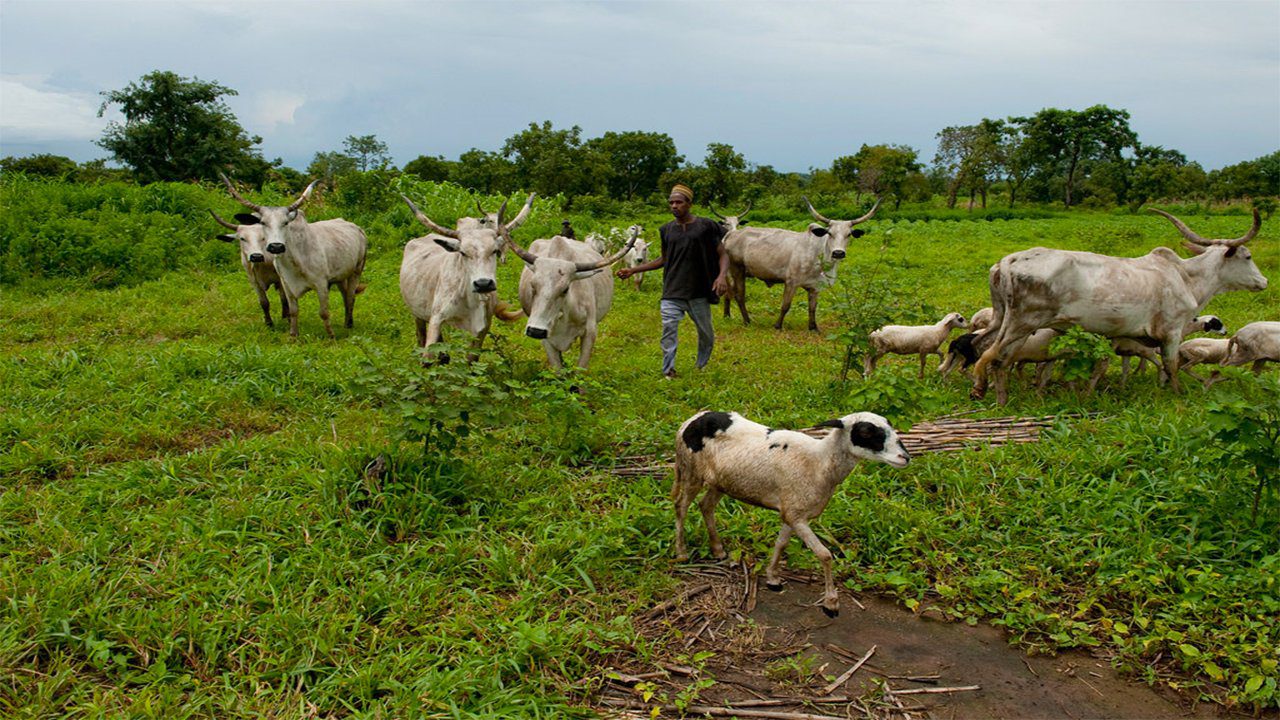
Following a recent destruction of a private farm owned by Mrs Felicia Nwokonte in Abia state, and other distinct similar cases in the South East. The Coalition of South East Youth Leaders (COSEYL) has renewed its call for a total ban on Open grazing in the South East region to mitigate against growing cases of Agricultural Terrorism.
The President General of the Igbo Youth Group, Goodluck Ibem, called on South East governors to immediately enforce a total ban on Open grazing to avoid causing emotional and financial distress to farmers in the Zone.
” We expressed deep concern regarding the distressing incident faced by Mrs Felicia Nwokonte, a 53-year-old farmer from Umuana Ndume in Umuahia North Local Government Area, Abia State.
“Mrs Nwokonte’s farmland has been completely devastated by unchecked cattle intrusion, resulting in the destruction of her crops, including cassava, yams, and vegetables.
Ibem described the sordid details of the destruction of the farm by the herders. According to him, the herders broke the padlock safeguarding the farm premises and proceeded to lead their cattle into the farm to graze on her crops.
The cattle grazed on her farmland, turning it into a wasteland and causing the owner lots of emotional and financial distress.
COSEYL called on the Abia state Governor, Alex Otti, to enforce a ban on Open grazing following the incident. They urged Southeast governors to enforce already existing anti-open grazing laws and make sure defaulters face consequences.
Infoeast View
- The Southeast is not the only region to float anti-open grazing laws in Nigeria. Such laws also exist in Benue, Taraba, Ebonyi, Ekiti, and Ondo, aiming to curb herder-farmer conflicts
- These laws prohibit open grazing, mandating the use of ranches to reduce crop destruction and violence, which claimed over 2,800 lives from 2020 to 2025. However, enforcement remains weak due to several factors, including federal non-recognition, resistance from herders, and logistical challenges.
- A 2024 Senate bill to establish a National Ranches Commission passed second reading, sparking debates over regional implementation. Critics argue it threatens traditional livelihoods, while supporters highlight environmental and security benefits.
